

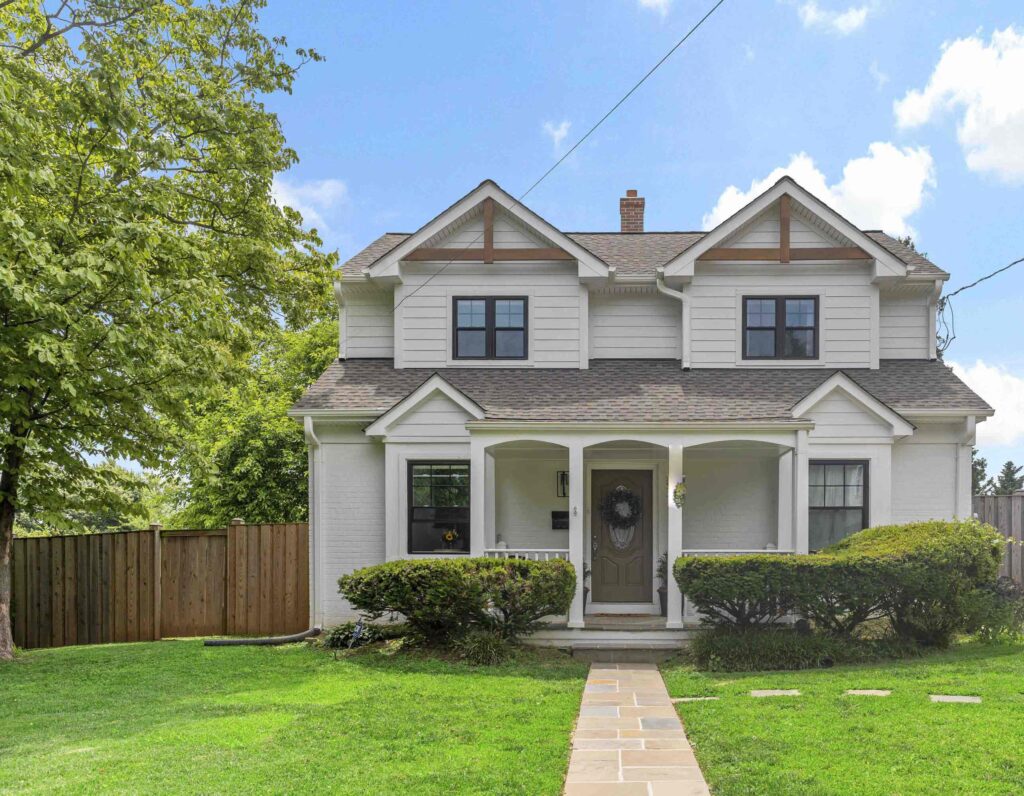
Adding extra space to your home is an excellent way to improve functionality, boost property value, and accommodate growing needs. Whether you’re planning to build an additional bedroom, extend your living area, or construct an entirely new section, thoughtful planning and execution are essential. This guide will walk you through the crucial steps, expert insights, and potential challenges of home additions.
1. Define Your Objectives
Before starting your project, clarify your goals. Do you need more living space, a home office, or an expanded kitchen? Identifying your specific needs will help shape the design, budget, and overall vision for your addition.
2. Set a Realistic Budget
Home additions can be a major financial commitment, so creating a detailed budget is crucial. Factor in material costs, labor expenses, permits, and unexpected costs. A contingency fund of 10-20% can help handle unforeseen issues without derailing your project.
3. Design with Intention
Whether you’re working with an architect or using home design software, a well-thought-out layout is vital. Ensure the new space integrates seamlessly with your existing home in both style and function. Prioritize natural light, storage solutions, and optimal space utilization.
4. Choose the Right Professionals
Hiring experienced professionals, such as contractors, architects, and structural engineers, can make a significant difference in your project’s success. Verify their credentials, read reviews, and request references before making a decision.
5. Obtain Necessary Permits
Many home additions require permits to comply with local building codes. Research your local regulations and ensure all necessary approvals are secured to avoid legal issues, delays, and fines.
6. Invest in Quality Materials
Selecting durable and energy-efficient materials will enhance the longevity and efficiency of your addition. Choose finishes that complement your existing home for a unified aesthetic.
7. Create a Realistic Timeline
Construction projects often take longer than anticipated. Work with your contractor to develop a timeline with realistic milestones and regularly check progress to ensure everything stays on track.
8. Plan for Unexpected Challenges
Home additions can come with unforeseen complications, such as structural issues, supply chain delays, or weather disruptions. Staying flexible and having a backup plan will help you navigate these challenges effectively.
9. Enhance Energy Efficiency
Consider incorporating energy-efficient windows, insulation, and smart home technology to improve sustainability and reduce long-term energy costs. These investments can lead to savings and a more eco-friendly home.
10. Add Personal Touches
Once construction is complete, bring your vision to life with interior design choices that reflect your style. Paint colors, lighting fixtures, and furniture placement will help blend the new space seamlessly into your home.
Final Thoughts
Expanding your home is a rewarding investment that requires careful planning and expert execution. By defining clear goals, hiring the right professionals, and staying organized, you can successfully create a beautiful and functional addition that enhances your lifestyle.
Are you considering a home addition? Share your thoughts and experiences in the comments below!